
Dental Bridges in Carrollwood
Replace missing teeth with fixed bridges that restore function, appearance, and confidence
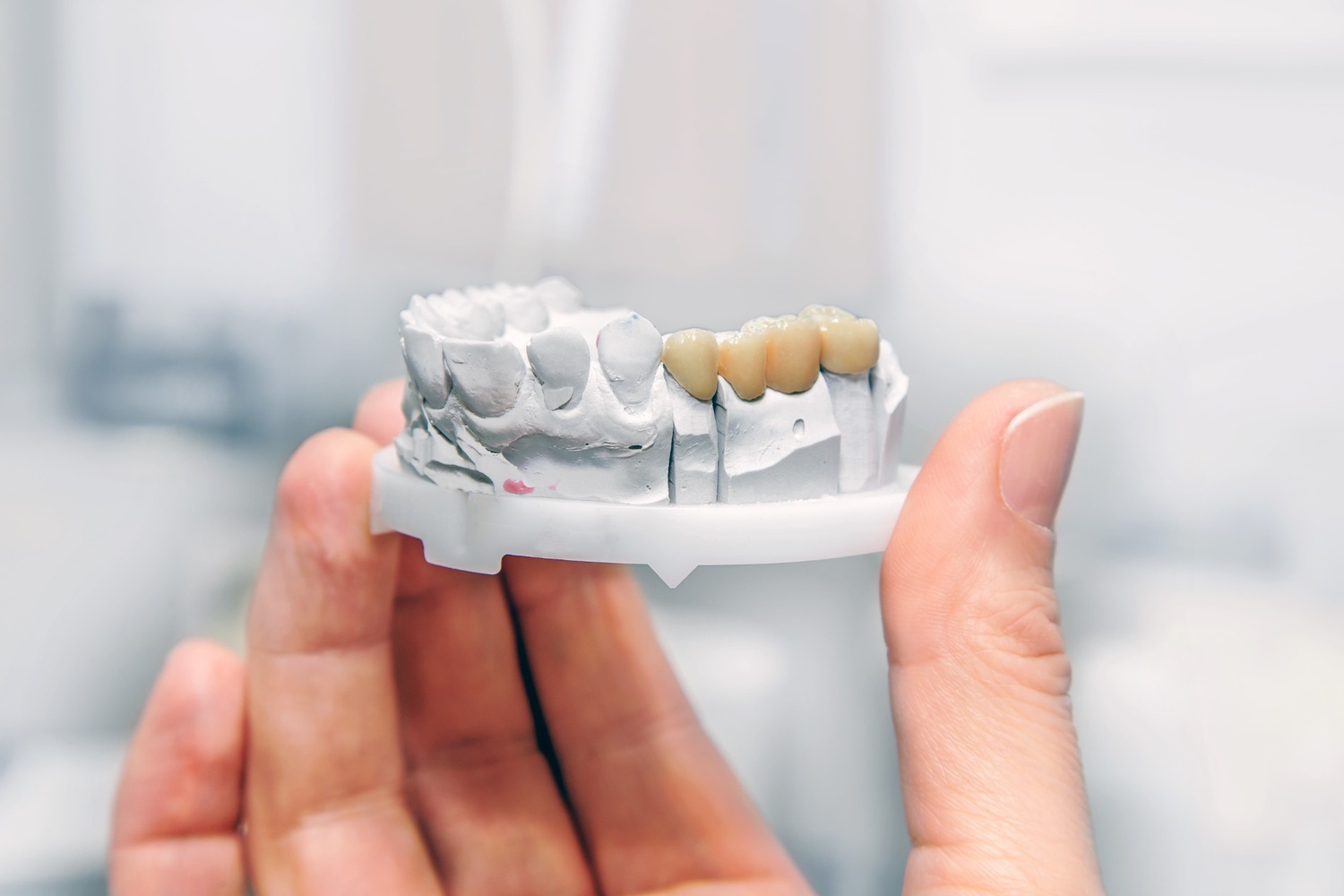
COMPLETE YOUR SMILE
Bridging the
Gap in
Your Smile
Even one missing tooth can make daily life harder. Chewing takes more effort, certain sounds come out differently, and nearby teeth may drift toward the gap. Over time, the jawbone under a missing tooth can shrink. A dental bridge fills the space with a fixed replacement tooth, so you may be able to eat, speak, and smile with less worry.
At Boe Family Dental in Carrollwood, we place dental bridges for patients across Carrollwood, Northdale, and Westchase. Dr. Eric Boe, DMD, leads our team, and before dental school he worked in construction and contracting. That hands-on background gives him a practical eye for how parts fit together. Our local dental laboratory partner crafts each bridge to match the shade and shape of your natural teeth.

TYPES OF BRIDGES
Finding the Right
Solution
A traditional bridge is the most common type. It works when healthy teeth sit on both sides of the gap. Dr. Boe reshapes those neighboring teeth slightly and places dental crowns over them. The crowns anchor the replacement tooth, called a pontic, in the space between them.
A cantilever bridge attaches to just one neighboring tooth, which adds force to that tooth and makes this design less common. A Maryland bridge uses a framework bonded to the backs of neighboring teeth with little reshaping and tends to suit front teeth. Dr. Boe checks your bite, gums, and nearby teeth before he recommends an option.
THE BRIDGE PROCESS
What to Expect
Most bridges take two visits. Here is how each stage works.
Initial Preparation
At your first visit, Dr. Boe numbs the area for your comfort and reshapes the teeth beside the gap to make room for crowns. He then takes impressions of your teeth, which go to our local dental laboratory partner. A temporary bridge protects the prepared teeth while your permanent bridge is made.
Bridge Fabrication
Our laboratory partner crafts your permanent bridge to match the shade, shape, and surface texture of your natural teeth. This step typically takes about two to three weeks.
Final Placement
At your second visit, Dr. Boe removes the temporary bridge, checks the fit, color, and bite, and cements your permanent bridge in place. If something feels off, tell us and we will adjust it.
BENEFITS OF BRIDGES
Restore Your
Complete Smile
A bridge helps you chew a wider range of foods comfortably, which supports good nutrition. It also helps you speak clearly, because gaps can change how certain sounds form. By filling the space, a bridge keeps neighboring teeth from drifting, which may help prevent bite problems and uneven wear. The American Dental Association’s guide to missing teeth lists bridges, dentures, and implants as ways to replace a lost tooth, and it notes nearby teeth may shift when a gap is left open.
We accept most PPO dental insurance plans, including Delta Dental and Blue Cross Blue Shield. Coverage for bridges varies by plan, so review your benefits and bring your questions to our team before treatment.
Signs You May Need a Dental Bridge
You may be a good candidate for a bridge if any of these sound familiar.
- You are missing one or more teeth and want a fixed replacement option
- You have difficulty chewing or notice changes in your bite
- Your remaining teeth are shifting near a gap
- You feel self-conscious about your smile because of missing teeth
- You want a fixed replacement that does not come out for cleaning
If one or more of these apply, schedule an exam so Dr. Boe can check whether a bridge fits your mouth and your goals.
BRIDGE MAINTENANCE
Caring for
Your Bridge
Good home care helps your bridge last. Brush twice a day with fluoride toothpaste and a soft-bristled toothbrush, paying close attention to where the bridge meets your natural teeth and gums. If a supporting tooth develops a cavity, dental fillings can often treat it before it spreads.
Floss threaders and interdental brushes reach beneath the pontic where regular floss cannot, and a water flosser may help clear debris from tight spots. Regular dental cleanings and exams let us monitor the teeth and gums supporting your bridge, so we can catch small problems early.

What You Get With Every Visit to Boe Family Dental
Personalized
Care
Advanced
Technology
Comfortable
Experience
Restore Your Smile With a Dental Bridge
Frequently Asked Questions About Dental Bridges
How long does it take to get a dental bridge?
Most bridges take two visits over about two to three weeks. Dr. Boe prepares the supporting teeth and places a temporary bridge at the first visit, then cements your permanent bridge at the second.
Will my dental bridge look natural?
Our local dental laboratory partner matches the color, shape, and surface texture of your surrounding teeth. Dr. Boe also checks shade and contour at your fitting so the bridge blends with your smile.
How long does a dental bridge last?
Many bridges last for years with good home care and regular dental visits. How long yours lasts depends on the health of your supporting teeth and gums.
Does insurance cover a dental bridge?
We accept most PPO dental insurance plans, and coverage for bridges varies by plan. If you want to spread out the cost, ask us about financing and payment options.
Is a dental bridge better than a partial denture?
A bridge stays fixed in place, while a removable partial denture comes out for cleaning. The better fit depends on how many teeth are missing and the health of the teeth around the gap.
Schedule Your Dental Bridge Visit at Boe Family Dental
Dr. Eric Boe, DMD, leads our family practice at 5121 Ehrlich Road in Carrollwood, Tampa. He has a background in restorative dentistry and enjoys helping patients with broken teeth and crown work.
If you are missing a tooth, contact us today to schedule a consultation. Dr. Boe can check your bite, explain your options, and help you decide whether a dental bridge fits your needs.