
Dental
Crowns in Carrollwood, FL
Restore strength and beauty to damaged teeth with custom-crafted dental crowns
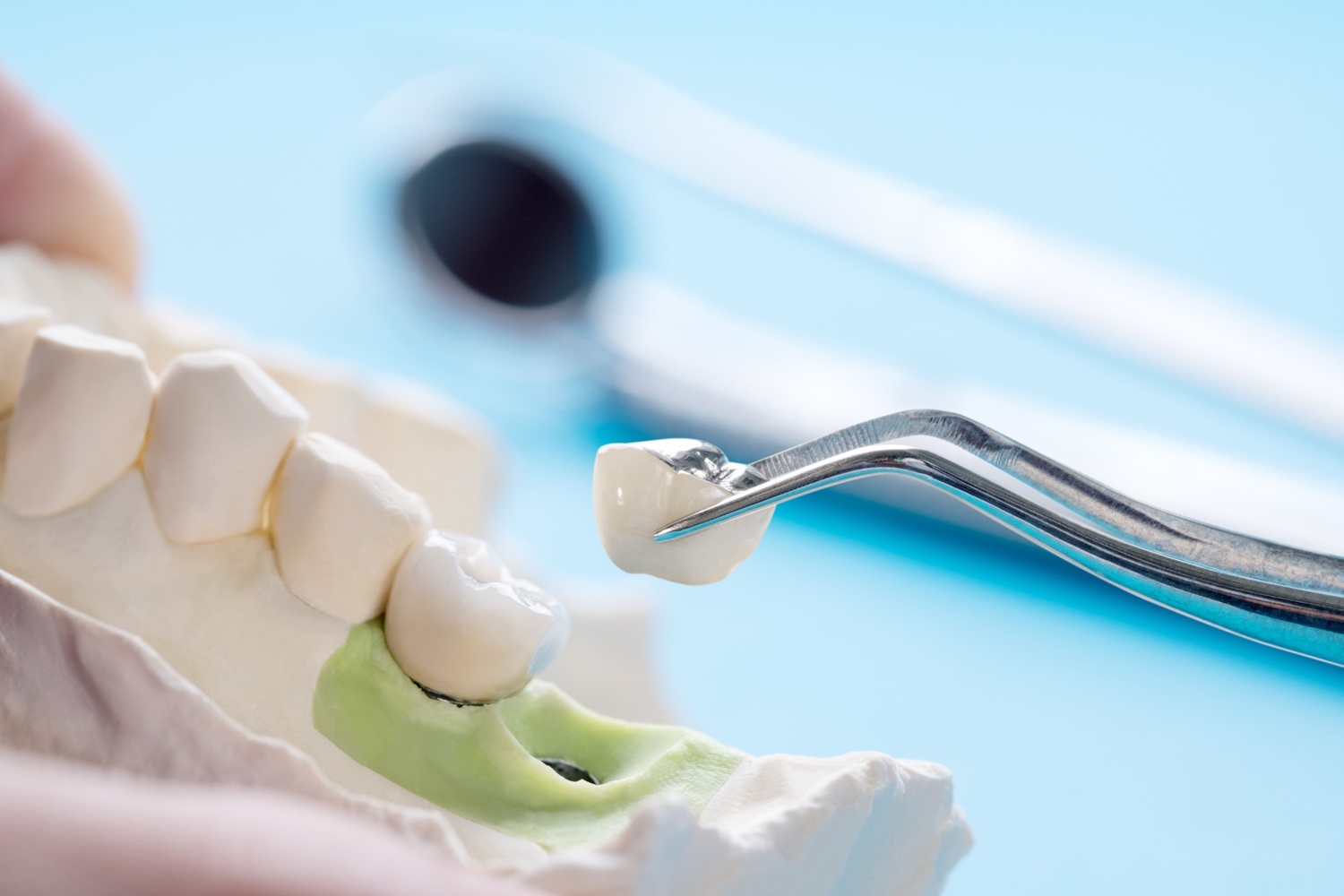
A damaged or decayed tooth does not always mean tooth loss. At Boe Family Dental in Carrollwood, Tampa, Dr. Eric Boe places custom dental crowns that cap a compromised tooth from all sides, restoring its strength, shape, and appearance in two straightforward appointments. Dr. Boe has a particular fondness for restorative work and takes real satisfaction in helping Carrollwood patients go from pain and frustration back to a fully functioning smile. Whether the damage came from deep decay, a fracture, or a root canal, a well-made crown gives the tooth a reliable second life.
A dental crown fits over the entire visible portion of a tooth above the gumline and becomes its new outer surface. That complete coverage is what sets crowns apart from fillings and bonding: rather than patching a portion of a tooth, the crown reinforces and protects the whole structure. The National Institute of Dental and Craniofacial Research notes that indirect restorations such as crowns are custom-made for more substantial damage and often used to fully cover or replace a tooth. At our Ehrlich Road office, Dr. Boe uses digital X-rays and a CBCT scanner when needed to assess the full extent of damage before recommending a crown, so every treatment plan is grounded in a complete picture of your tooth’s condition.

CROWN MATERIALS
Choosing the Right
Material
Porcelain and ceramic crowns are the most common choice for Carrollwood patients because they match the color, translucency, and texture of surrounding teeth. They are ideal for front teeth and any visible area where aesthetics matter most. All-ceramic crowns have come a long way in strength and can handle normal biting forces on back teeth as well.
Porcelain-fused-to-metal crowns layer a porcelain exterior over a metal core, combining natural-looking color with exceptional durability. They hold up well under heavy chewing pressure, making them a reliable option for back molars. One consideration: a thin dark line can sometimes appear at the gumline over time as gums naturally recede. Dr. Boe walks through the tradeoffs of each material at your consultation so the choice makes sense for your tooth’s location, your bite, and your goals.
THE CROWN PROCEDURE
What to Expect
Tooth
Preparation
Dr. Boe starts by numbing the tooth and surrounding tissue so you feel only pressure, never pain. He then reshapes the tooth, removing any damaged structure and trimming it down to create a stable foundation for the crown. How much reduction is needed depends on the material chosen and the extent of the original damage. Once the tooth is ready, Dr. Boe takes precise digital or traditional impressions and fits a temporary crown to protect the tooth while your permanent restoration is crafted in the lab.
Custom Crown Creation
Your impressions go to a skilled dental lab, where technicians fabricate your crown to Dr. Boe’s exact specifications, matching the color, contour, and bite of your surrounding teeth. This typically takes two to three weeks. In the meantime, the temporary crown keeps your tooth protected and functional so eating and speaking feel normal. It also holds adjacent teeth in place so your permanent crown seats correctly when it arrives.
Crown
Placement
At your second visit, Dr. Boe removes the temporary crown and thoroughly cleans the tooth. He seats the permanent crown, checking the fit, bite, and color match before making any fine adjustments. Once everything looks and feels right, the crown is permanently cemented. Most patients find their permanent crown comfortable immediately. A day or two of mild temperature sensitivity can occur as you adjust, but this typically settles on its own. Dr. Boe provides aftercare instructions and remains available if you have any questions during the first few weeks.
WHEN CROWNS ARE NEEDED
Common Reasons for
Crown Treatment
Crowns are recommended when a tooth is too far gone for a filling to hold reliably. The most common situations Dr. Boe sees in Carrollwood patients include:
- Large cavities that have destroyed more than half of a tooth’s surface, leaving too little healthy structure for dental fillings to seal effectively
- Cracked or chipped teeth, where a crown holds the remaining pieces together and stops the crack from deepening
- Root canal-treated teeth, which lose their internal blood supply and become more brittle over time, needing a crown for long-term protection
- Severely worn teeth from grinding or acid erosion that need full-coverage restoration
- Anchor teeth for dental bridges, where a crown on each side of the gap supports the replacement tooth
If you are not sure whether you need a crown, Dr. Boe will give you a straightforward assessment and explain the options — including whether a less invasive approach might work first.
Benefits of Dental Crowns
- Restore full function to damaged teeth for comfortable chewing and speaking
- Protect weakened teeth from further damage or fracture
- Improve the appearance of severely discolored, misshapen, or broken teeth
- Provide long-lasting results with proper care, typically lasting 10 to 15 years or more
- Allow you to keep your natural tooth rather than requiring extraction and replacement
CROWN MAINTENANCE
Caring for
Your Crown
Crowns require the same day-to-day care as natural teeth. Brush twice daily with fluoride toothpaste, paying attention to the margin where the crown meets the gumline — that is where plaque tends to collect and where the underlying tooth remains vulnerable to decay. Floss daily around the crown just as you would a natural tooth. Scheduling regular dental cleanings and checkups at our Carrollwood office keeps Dr. Boe in the loop on how your crown is holding up over time.
Crowns are durable, but they are not indestructible. Avoid chewing ice, biting hard objects like pen caps or fingernails, or using your teeth as a tool. If you grind or clench your teeth at night, let Dr. Boe know — a custom nightguard can protect the crown and your surrounding teeth from excessive wear. With reasonable care, most crowns placed by Dr. Boe last 10 to 15 years or longer, and many patients get even more from them.
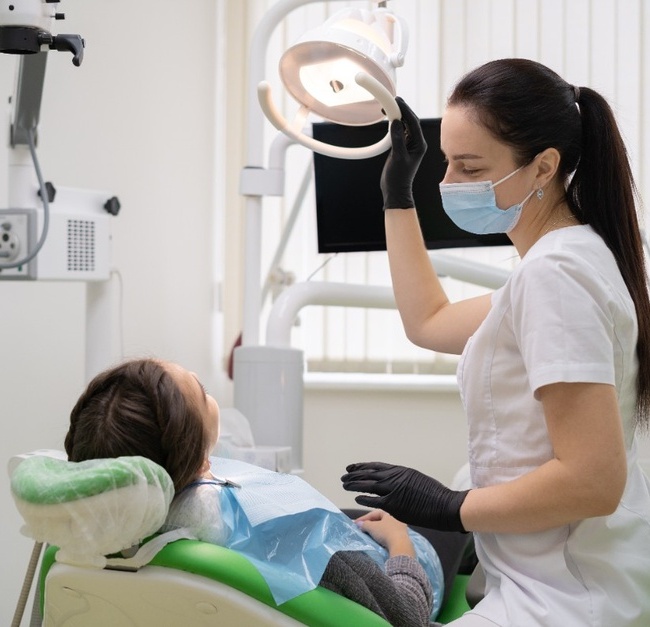
What You Get With Every Visit to Boe Family Dental
Personalized
Care
Advanced
Technology
Comfortable
Experience
Restore Your Damaged Tooth Today
Frequently Asked Questions About Dental Crowns
Does getting a crown hurt?
No — the procedure itself should be pain-free. Dr. Boe numbs the tooth and surrounding area with local anesthetic before any work begins, so you feel pressure but not pain during tooth preparation. After the anesthetic wears off, some mild sensitivity to temperature or biting is normal for a day or two. Over-the-counter pain relievers handle this well for most patients. If significant discomfort lasts more than a week, call us so Dr. Boe can take a look and make sure everything is settling properly.
How long will my dental crown last?
With proper care, most dental crowns last between 10 and 15 years — and many patients in our Carrollwood practice get well beyond that. Longevity depends on the material chosen, where the crown sits in the mouth, your oral hygiene habits, and whether you grind or clench. Maintaining regular cleanings and checkups allows Dr. Boe to catch any signs of wear or loosening early, so small issues can be addressed before they become bigger ones. The better you care for the crown day to day, the longer it will serve you.