
RESTORATIVE DENTISTRY
Tooth Extractions in Carrollwood
When a tooth is beyond saving, the right care team makes all the difference
WHEN EXTRACTION IS NEEDED
Gentle, Precise Tooth Extractions in Carrollwood
A toothache that won’t quit, a crack that can’t be crowned, decay that’s gone too far, sometimes the most important thing a dentist can do is remove a tooth cleanly and get you out of pain. At Boe Family Dental in Carrollwood, we take extraction seriously, which means we never recommend it until we’ve genuinely exhausted every option to save the tooth. Our restorative dentistry services are designed to preserve your natural teeth first. When removal is the right call, we make sure the process is as comfortable and straightforward as possible for patients throughout Carrollwood, Northdale, and Westchase.
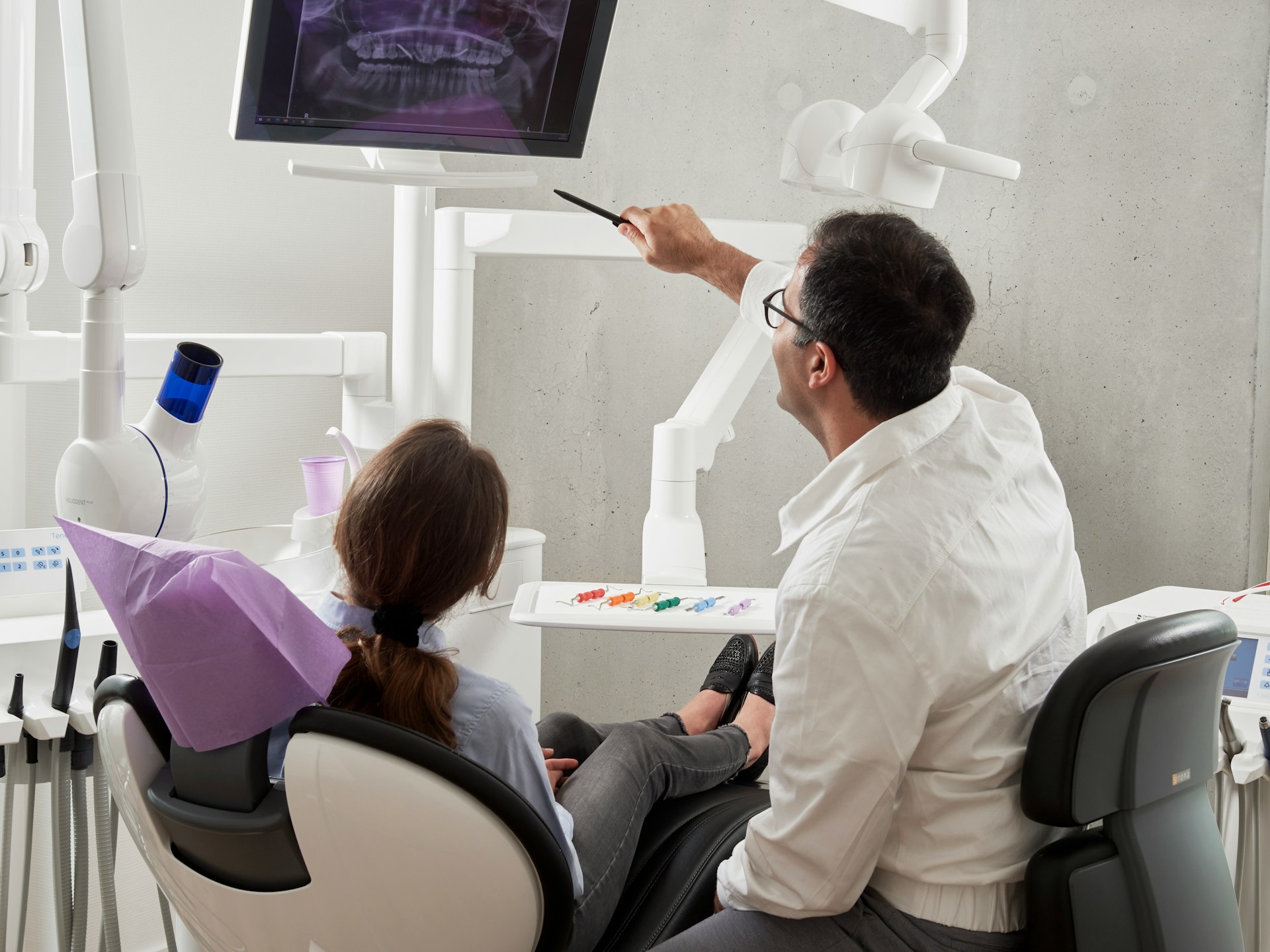
Dr. Eric Boe, DMD, brings a background in construction and contracting to his dental practice. That foundation shapes how he evaluates every clinical decision. Just as a contractor assesses what can be saved before tearing something down, Dr. Boe takes a thorough, whole-mouth view before recommending an extraction. He uses digital x-rays and our CBCT cone beam scanner to get a three-dimensional picture of the tooth, its roots, and the surrounding bone, so there are no surprises going into the procedure. According to MedlinePlus, a service of the U.S. National Library of Medicine, tooth extraction is recommended when a tooth cannot be saved through other dental treatments, a standard we hold to at every visit.
TYPES OF TOOTH EXTRACTIONS
WHEN A SIMPLE EXTRACTION IS THE ANSWER
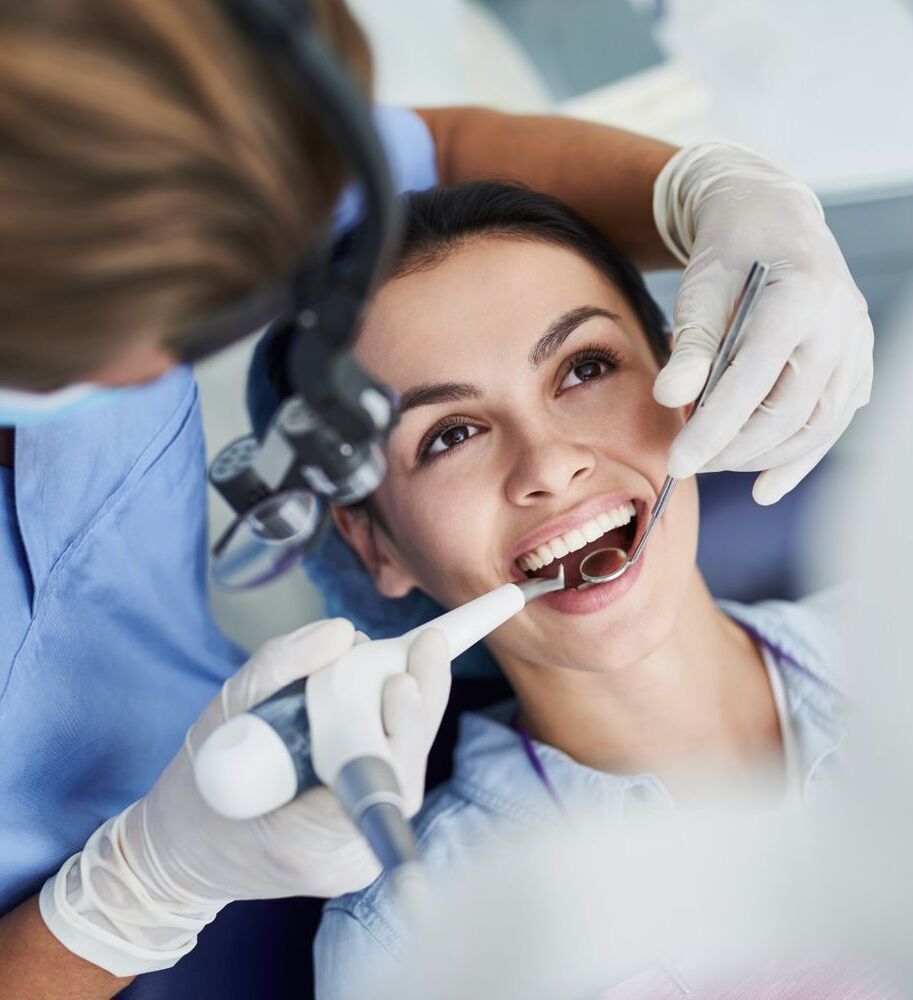
Dr. Boe performs simple extractions, the appropriate approach when a tooth is fully erupted and visible above the gumline. Using local anesthesia to keep you completely comfortable, he carefully loosens the tooth and removes it in a controlled, well-paced procedure. Simple extractions are typically needed for teeth too severely decayed for a dental crown or dental filling to restore, teeth fractured at or near the gumline, or teeth causing crowding or damage to adjacent teeth.
Boe Family Dental does not perform surgical extractions or wisdom tooth removal. If your situation calls for that level of care, Dr. Boe will refer you to a trusted oral surgeon in the area so you receive the right treatment for your needs. Our goal is always to get you to the right provider, not to stretch the scope of what we do.
Simple vs. Surgical Extraction
| Simple extraction | Surgical extraction | |
|---|---|---|
| When it applies | Tooth is fully erupted and visible above the gumline | Tooth is impacted, broken below the gumline, or needs more access |
| Where it is done | Here at Boe Family Dental with Dr. Boe | By a trusted oral surgeon Dr. Boe refers you to |
| Wisdom teeth | Not performed here | Referred to an oral surgeon |
THE EXTRACTION PROCEDURE
What to Expect
Before Your Extraction
Before proceeding with any extraction, Dr. Boe performs a thorough evaluation of the tooth and surrounding structures. Digital x-rays and, when needed, our CBCT cone beam scanner give him a precise, three-dimensional view of root shape, bone levels, and tooth position to confirm a simple extraction is appropriate. He’ll review your medical history and any medications you’re currently taking, walk you through what the procedure involves, and answer your questions before anything begins. Local anesthesia is administered to ensure the area is completely numb before work starts.
During the Procedure
Once you’re fully numb and comfortable, Dr. Boe uses specialized instruments to gently loosen the tooth within its socket, then carefully removes it. Most simple extractions are completed in just a few minutes. You may feel pressure or movement during the process, but you should not feel pain. If you do, let Dr. Boe know immediately, and he can add more anesthetic. After the tooth is removed, the area is cleaned and gauze is placed to help control bleeding and support the clot that begins forming right away.
After Your Extraction
Dr. Boe will send you home with clear written aftercare instructions. Plan to rest for the remainder of the day and avoid hard, crunchy, or hot foods for the first 24 to 48 hours. Do not use a straw, smoke, or rinse vigorously during the first day because these can dislodge the blood clot and lead to dry socket, a painful complication. Most patients experience mild soreness and swelling for a few days, well managed with over-the-counter pain relievers. Dr. Boe will also discuss tooth replacement options at your follow-up visit, including whether a dental bridge makes sense for your situation.
Supporting a Smooth Recovery
Proper aftercare is one of the biggest factors in how quickly and comfortably you heal. Starting 24 hours after your procedure, gently rinse with warm salt water a few times a day to keep the site clean and reduce inflammation. Avoid touching the area with your tongue or fingers. Sleep with your head slightly elevated the first night, and apply a cold pack to the outside of your cheek in 20-minute intervals during the first day to manage swelling.
If you experience heavy bleeding that doesn’t slow with gentle pressure, increasing pain after the first two days, fever, or any signs of infection, call our Carrollwood office right away. These can signal complications that benefit from prompt attention. If a tooth hurts badly before an extraction, our emergency dentist services can help. Most of our Carrollwood, Northdale, and Westchase patients heal without issue and are back to their normal routine within a few days. We accept most PPO dental insurance plans, including Delta Dental and Blue Cross Blue Shield, and our team will verify your insurance benefits before treatment.
Reasons Dr. Boe May Recommend an Extraction
- Severe tooth decay that has destroyed too much of the tooth structure to restore
- A tooth fractured at or below the gumline that cannot support a crown
- Advanced gum disease causing significant bone loss around a tooth
- A tooth causing damage or crowding to adjacent healthy teeth
- A tooth that has failed a previous restoration and cannot be saved
What Comes Next After an Extraction
Removing a tooth solves the immediate problem, but a gap left unfilled can create new ones. Neighboring teeth can drift into the empty space, the opposing tooth can over-erupt, and the jawbone in that area can gradually resorb without a root to stimulate it. That’s why Dr. Boe discusses tooth replacement as part of your care plan, not as an afterthought.
Depending on your situation, a dental bridge may be a strong option, anchoring a replacement tooth to the healthy teeth on either side of the gap. Dentures are worth considering for patients with multiple missing teeth. As your Carrollwood family dentist, Dr. Boe’s focus is always on the full picture of your oral health, not just the procedure in front of you. He’ll walk you through your options at the right time so you can make a confident, informed decision.

What You Get With Every Visit to Boe Family Dental
Personalized
Care
Advanced
Technology
Comfortable
Experience
Schedule Your Extraction
Frequently Asked Questions About Extractions
Does getting a tooth pulled hurt?
The extraction itself should not be painful. Dr. Boe administers local anesthesia to fully numb the area before beginning. You may feel pressure or movement, but not pain. If you feel anything sharp during the procedure, tell Dr. Boe immediately, and he can add more anesthetic. After the numbness wears off, some soreness and tenderness is normal and typically manageable with over-the-counter pain relievers. Most patients find the discomfort is much less than they anticipated.
How do I know if my tooth needs to be pulled or can be saved?
Dr. Boe’s strong preference is always to save a natural tooth whenever possible. He’ll take digital x-rays and, when needed, use our CBCT cone beam scanner to get a detailed look at the tooth’s condition. If a crown, filling, or other restorative treatment can preserve it, that will be his first recommendation. An extraction is only suggested when the tooth truly cannot be restored, or when keeping it poses a risk to your surrounding teeth or overall oral health. We accept most PPO dental insurance plans, and our team will verify your coverage before your visit.