
SLEEP DISORDER TREATMENT
Sleep Apnea
Treatment
Improve your sleep quality and overall health with comfortable oral appliance therapy
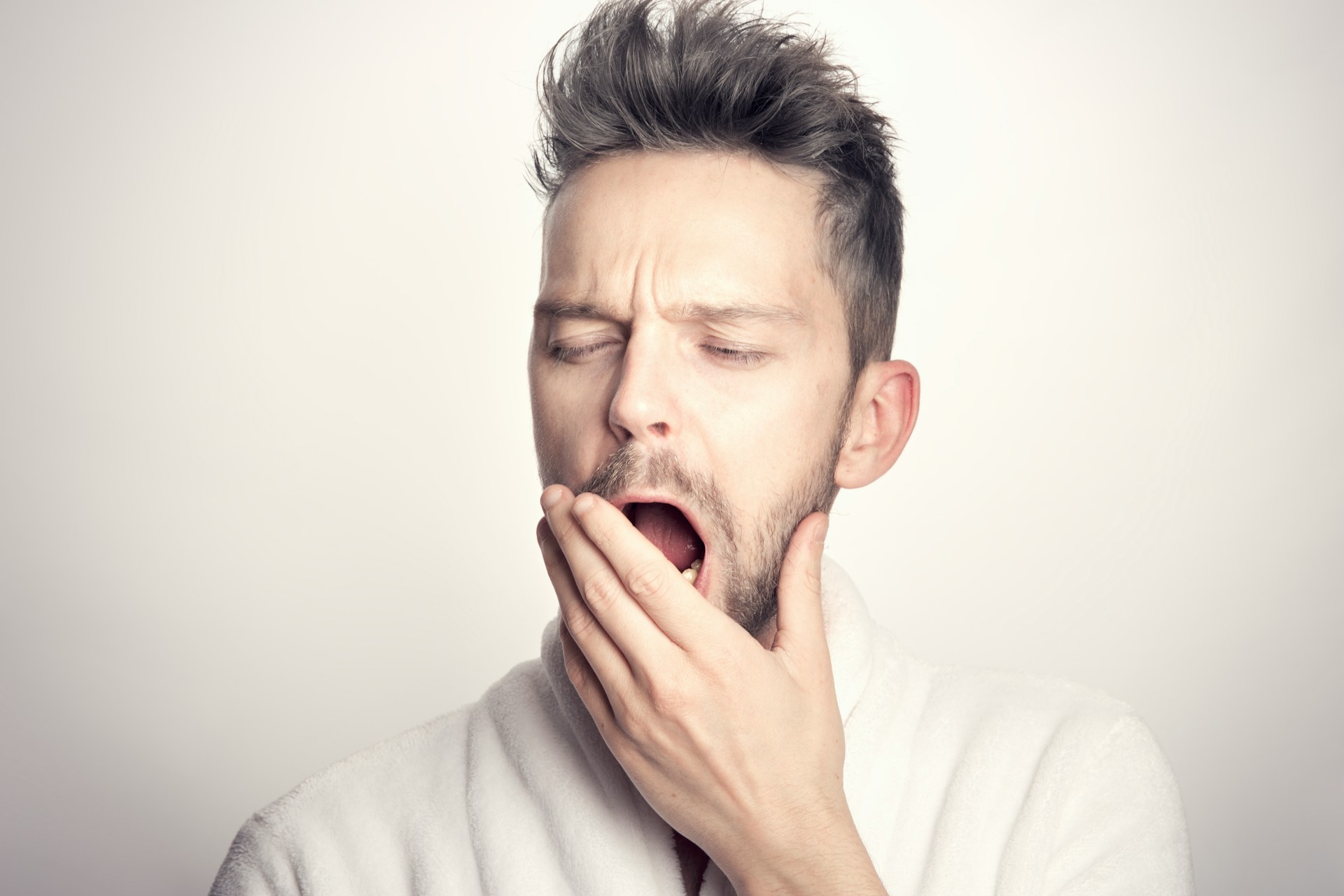
BREATHE EASIER WHILE YOU SLEEP
Relief from
Sleep
Apnea
Sleep apnea is a serious sleep disorder characterized by repeated interruptions in breathing during sleep. These breathing pauses can occur dozens or even hundreds of times per night, disrupting sleep quality and depriving your body of essential oxygen. At Boe Family Dental, Dr. Eric Boe provides effective treatment for sleep apnea using custom oral appliances designed to keep your airway open throughout the night. As one of his immediate service additions to the practice, sleep apnea treatment reflects Dr. Boe’s commitment to addressing conditions that significantly impact overall health and quality of life.
Left untreated, sleep apnea poses serious health risks beyond just poor sleep. The condition has been linked to high blood pressure, heart disease, stroke, diabetes, and other chronic health problems. Daytime fatigue from disrupted sleep affects your ability to concentrate, work effectively, and drive safely. Many people with sleep apnea also experience morning headaches, dry mouth, irritability, and depression. Fortunately, effective treatment can eliminate these symptoms and reduce associated health risks, helping you enjoy better sleep and improved overall wellness.
Oral appliance therapy offers a comfortable, convenient alternative to CPAP machines for many sleep apnea patients. These custom-fitted devices work by gently repositioning your jaw to keep your airway open during sleep. Many patients find oral appliances more comfortable and easier to use consistently than CPAP equipment, leading to better treatment compliance and outcomes. Dr. Boe evaluates your specific situation and works closely with sleep physicians to determine whether oral appliance therapy is appropriate for managing your sleep apnea.
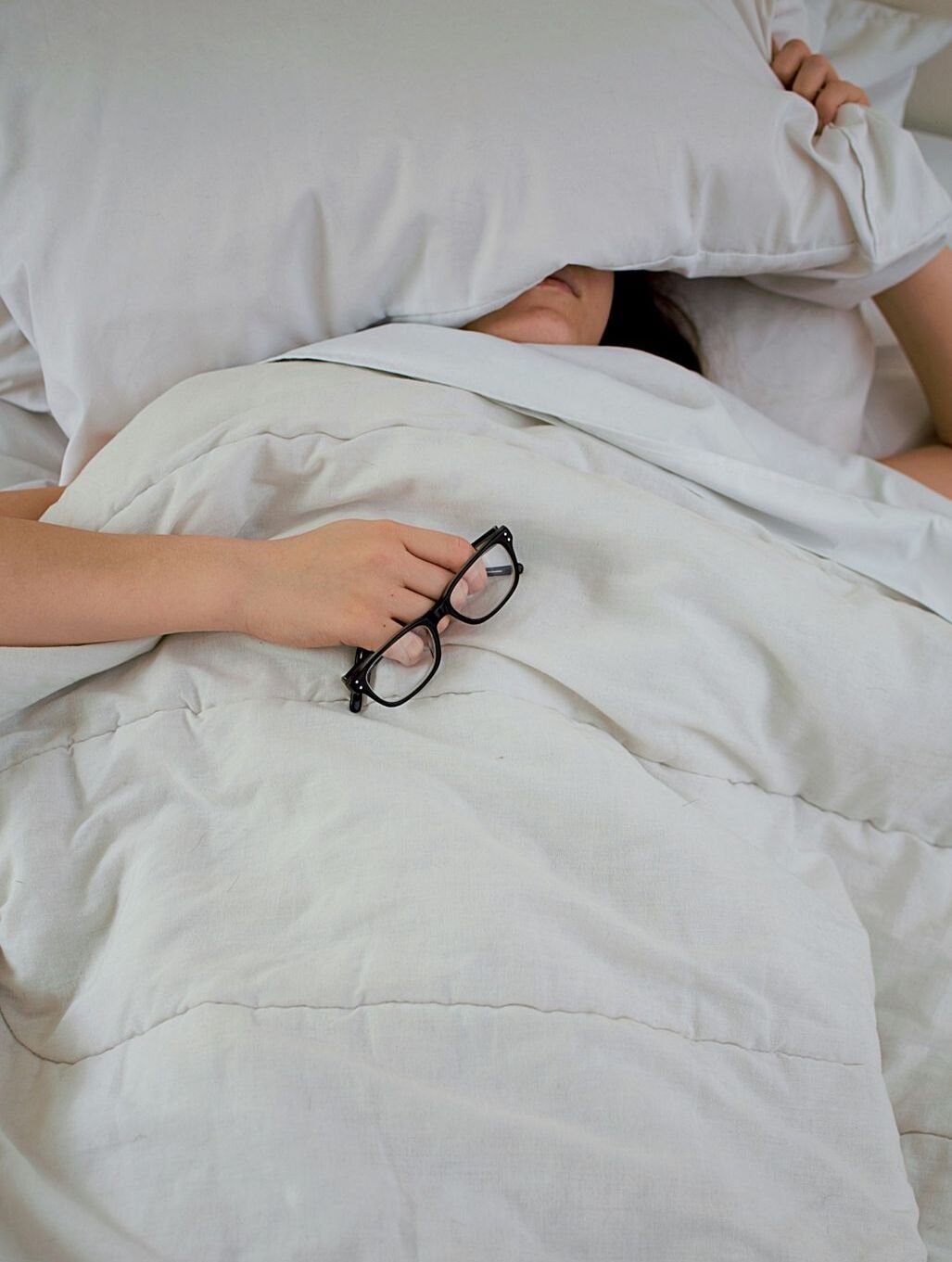
UNDERSTANDING SLEEP APNEA
How It
Affects You
Obstructive sleep apnea, the most common form of the disorder, occurs when throat muscles relax during sleep and allow soft tissues to collapse, blocking your airway. When airflow stops, oxygen levels in your blood drop, triggering your brain to briefly wake you enough to reopen the airway. These micro-awakenings happen so quickly you typically do not remember them, but they prevent you from reaching the deep, restorative stages of sleep your body needs. The cycle repeats throughout the night, sometimes hundreds of times.
Common signs of sleep apnea include loud snoring, gasping or choking during sleep, frequent nighttime urination, morning headaches, and excessive daytime sleepiness. Your bed partner may notice you stop breathing for periods during the night. Not everyone who snores has sleep apnea, but persistent loud snoring combined with other symptoms warrants evaluation. Risk factors include being overweight, having a large neck circumference, anatomical features like a narrow airway, and family history of sleep apnea.
ORAL APPLIANCE THERAPY
Treatment Process
Custom Appliance Design
Your oral appliance therapy begins with a comprehensive evaluation of your mouth, jaw, and airway. Dr. Boe takes detailed impressions of your teeth to create a custom appliance that fits comfortably and works effectively. Unlike over-the-counter devices, custom oral appliances are precisely manufactured to fit your unique dental anatomy, ensuring optimal comfort and effectiveness. The appliance resembles a mouth guard and is designed to gently advance your lower jaw forward, which opens your airway by pulling the tongue and soft tissues away from the back of your throat.
Fitting and Adjustment
When your custom appliance is ready, Dr. Boe carefully fits it and makes any necessary adjustments to ensure optimal comfort and function. He explains how to insert, remove, and care for the device. Most patients adapt to wearing the appliance within a few nights, though some adjustment period is normal. Dr. Boe may schedule follow-up appointments to fine-tune the appliance position, gradually advancing your jaw to the optimal position for keeping your airway open while maintaining comfort. This calibration process ensures maximum effectiveness.
Ongoing
Monitoring
After you begin using your oral appliance, Dr. Boe monitors your progress through regular follow-up appointments. He checks the appliance fit, makes adjustments as needed, and ensures you are not experiencing any side effects. Your sleep physician may recommend another sleep study while using the appliance to verify its effectiveness in controlling your sleep apnea. Dr. Boe works collaboratively with your medical team to ensure you receive comprehensive, coordinated care. Most patients notice significant improvement in sleep quality and daytime energy levels within weeks of beginning oral appliance therapy.
BENEFITS OF ORAL APPLIANCES
Comfortable, Effective
Treatment
Oral appliances offer numerous advantages over CPAP machines for appropriate candidates. They are small, portable, and quiet, making them ideal for travel. No electricity, hoses, or masks are required, eliminating the claustrophobic feeling some people experience with CPAP. Many patients find oral appliances much more comfortable and easier to tolerate, leading to better compliance with treatment. Consistent use is essential for managing sleep apnea effectively, so comfort matters significantly in long-term success.
The devices are easy to care for, requiring only daily cleaning with a toothbrush and mild soap. They are durable and typically last several years with proper care. Side effects are generally mild and often resolve as you adjust to the appliance. Some patients experience temporary jaw soreness, excessive salivation, or dry mouth initially, but these issues usually improve within a few weeks. Dr. Boe can adjust your appliance or recommend strategies to minimize any discomfort you experience during the adaptation period.
Signs You May Have Sleep Apnea
- Loud, persistent snoring that disrupts your partner’s sleep
- Gasping or choking sounds during sleep as you struggle to breathe
- Excessive daytime sleepiness despite spending adequate time in bed
- Morning headaches or waking with a dry mouth or sore throat
- Difficulty concentrating, memory problems, or irritability during the day
IMPROVING YOUR HEALTH
Beyond Better
Sleep
Successfully treating sleep apnea provides benefits that extend far beyond improved sleep quality. Patients often experience significant increases in daytime energy and alertness, allowing them to be more productive and engaged in daily activities. Better sleep supports improved mood and mental clarity, reducing irritability and depression symptoms. Many people report their relationships improve as they become more present and engaged with family and friends. Partners also benefit from quieter, more peaceful sleep without disruptive snoring.
The health benefits of treating sleep apnea can be profound. Reducing breathing interruptions helps normalize blood pressure, decreases strain on your heart, and may reduce risk of cardiovascular events like heart attack and stroke. Better oxygenation during sleep supports healthy metabolism and may help with weight management. Your immune system functions more effectively when you get adequate, quality sleep. Overall, managing sleep apnea contributes to better long-term health outcomes and quality of life.

What You Get With Every Visit to Boe Family Dental
Personalized
Care
Advanced
Technology
Comfortable
Experience
Find Relief From Sleep Apnea
Frequently Asked Questions
How do I know if an oral appliance will work for me?
Oral appliances work best for patients with mild to moderate obstructive sleep apnea, though some people with severe sleep apnea may also benefit. Your sleep physician determines the severity of your condition through sleep study results and recommends appropriate treatment options. Ideal candidates have sufficient healthy teeth to support the appliance and can comfortably tolerate gentle jaw advancement. Dr. Boe evaluates your dental health and jaw anatomy to determine whether you are a good candidate for oral appliance therapy. Some patients who cannot tolerate CPAP successfully use oral appliances even if they have more severe sleep apnea.
Will my insurance cover sleep apnea treatment?
Many medical insurance plans provide coverage for oral appliance therapy when prescribed by a physician for diagnosed sleep apnea. Coverage varies by plan, and some policies require you to try CPAP first before approving an oral appliance. Dental insurance typically does not cover sleep apnea appliances since the condition is considered a medical rather than dental problem. Our team can verify your medical insurance benefits and provide cost estimates before beginning treatment. We will work with you to maximize your insurance benefits and discuss payment options for any out-of-pocket costs.