
RESTORATIVE DENTISTRY
Dental
Fillings
Repair cavities and restore tooth structure with durable, natural-looking dental fillings

CAVITY TREATMENT
Stopping Decay
and Restoring
Your Smile
Cavities are one of the most common dental problems affecting people of all ages. When bacteria produce acids that dissolve tooth enamel, holes form in tooth structure that require professional treatment to prevent further damage. At Boe Family Dental, Dr. Eric Boe provides comfortable, effective cavity treatment using tooth-colored composite fillings that restore tooth structure while maintaining a natural appearance. Early treatment of cavities prevents them from progressing deeper into teeth, where they can cause pain, infection, and more extensive damage requiring complex procedures.
Modern dental fillings offer significant advantages over the silver amalgam fillings used in the past. Tooth-colored composite resin fillings bond directly to tooth structure, requiring less removal of healthy tooth material during preparation. They provide excellent strength and durability while matching your natural tooth color so seamlessly that most people cannot tell you have a filling. These aesthetic and functional benefits make composite fillings the preferred choice for treating cavities in both front and back teeth.
Dr. Boe uses advanced diagnostic technology including digital x-rays to detect cavities in their earliest stages, often before you experience any symptoms. This proactive approach allows him to treat decay when fillings are smallest and simplest, preserving maximum tooth structure and preventing progression to more serious problems. Regular dental checkups remain your best defense against cavities, allowing Dr. Boe to catch and treat decay before it causes pain or requires more extensive treatment.
COMPOSITE RESIN FILLINGS
Natural-Looking
Restorations
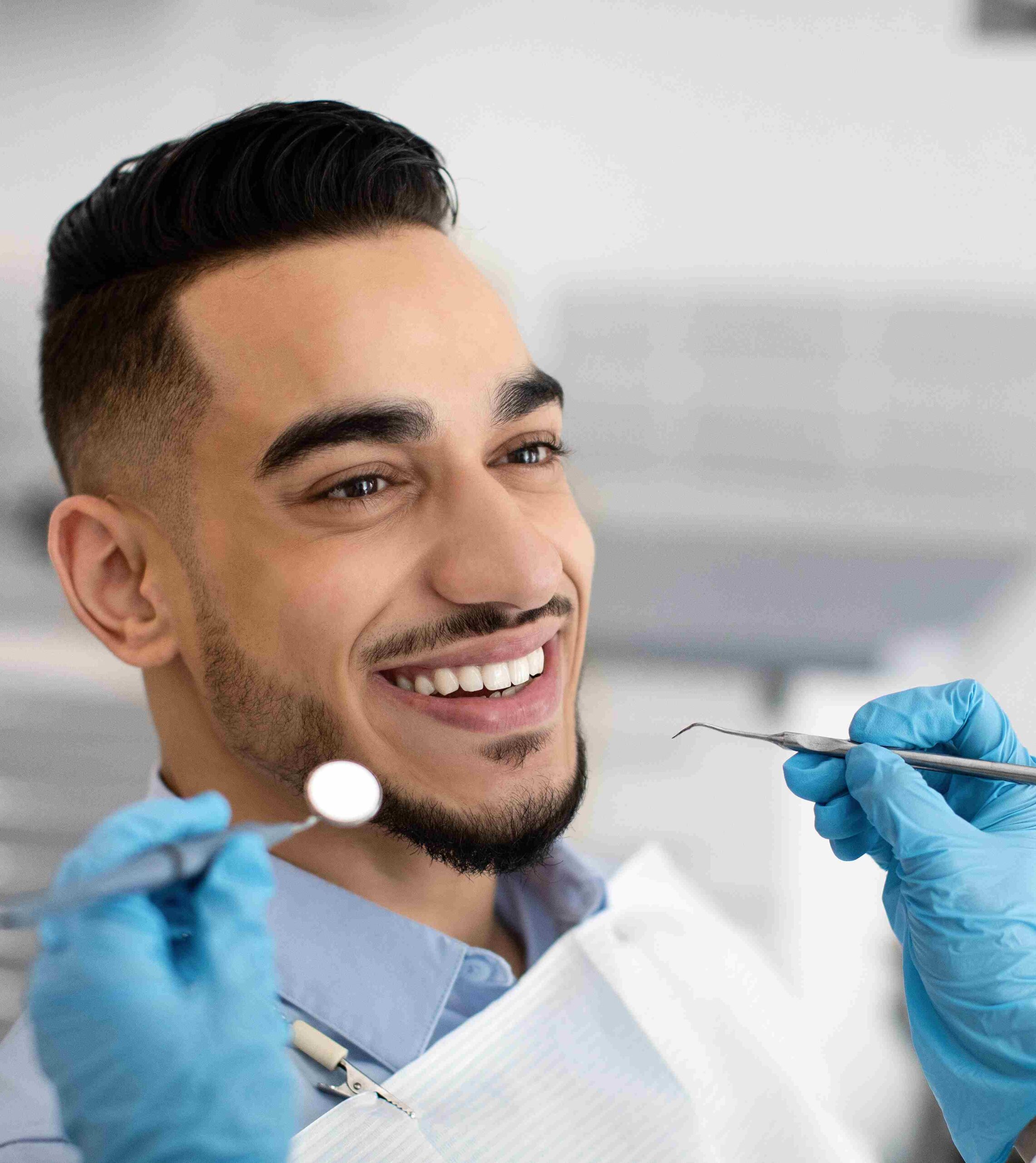
Composite resin fillings consist of a mixture of plastic and fine glass particles that can be precisely matched to your natural tooth color. Dr. Boe carefully selects a shade that blends seamlessly with your existing tooth enamel, making the filling virtually invisible. This aesthetic advantage proves particularly valuable for cavities in visible areas, though composite fillings work equally well for back teeth where appearance matters less but natural color remains preferable to silver metal.
The composite material bonds chemically to tooth structure, creating a tight seal that helps prevent bacteria from entering and causing additional decay. This bonding process also strengthens the tooth by supporting the remaining enamel. Unlike metal fillings that can expand and contract with temperature changes, composite fillings remain stable and do not place stress on surrounding tooth structure. The material can also be shaped and contoured to recreate natural tooth anatomy, restoring proper chewing surfaces and bite relationships.
THE FILLING PROCEDURE
What to Expect
Numbing and Preparation
Dr. Boe begins by numbing the tooth and surrounding area with local anesthetic to ensure your complete comfort throughout the procedure. Once the area is numb, he uses specialized instruments to carefully remove all decayed tooth structure. This step is critical because any decay left behind can continue spreading beneath the filling. Dr. Boe works meticulously to eliminate all compromised material while preserving as much healthy tooth structure as possible. The prepared cavity is then cleaned and dried in preparation for the filling material.
Filling
Placement
After preparing the tooth, Dr. Boe applies the composite resin in layers, carefully sculpting each layer to recreate natural tooth contours and chewing surfaces. He uses a special curing light to harden each layer before adding the next, building up the restoration to proper height and shape. This layering technique ensures optimal strength and allows precise control over the final form. Throughout the process, Dr. Boe pays close attention to how the filling will contact opposing teeth when you bite, making adjustments to ensure comfortable, natural function.
Final Shaping and Polishing
Once the filling is fully built up and cured, Dr. Boe carefully shapes and smooths it to blend seamlessly with your natural tooth. He checks your bite multiple times, making fine adjustments so the filling feels comfortable and natural when you close your teeth together. Finally, he polishes the restoration to a smooth, glossy finish that matches the sheen of surrounding tooth enamel. The entire procedure typically takes 30 to 60 minutes depending on the cavity’s size and location. Most patients leave feeling immediate relief if they had been experiencing sensitivity or discomfort from the cavity.
PREVENTING CAVITIES
Protecting Your
Teeth
While fillings effectively repair existing cavities, prevention remains the best approach to maintaining optimal oral health. Brush your teeth at least twice daily using fluoride toothpaste, spending two full minutes to thoroughly clean all tooth surfaces. Pay particular attention to areas along the gumline and chewing surfaces where plaque tends to accumulate. Floss daily to remove plaque and food particles from between teeth where your toothbrush cannot reach. These areas are especially vulnerable to decay if not cleaned regularly.
Your diet significantly impacts cavity risk. Limit consumption of sugary foods and beverages, which feed bacteria that produce tooth-damaging acids. When you do consume sugary items, brush your teeth afterward or at least rinse your mouth with water. Choose tooth-friendly snacks like cheese, nuts, and vegetables instead of candy or cookies. Drinking water throughout the day, especially fluoridated tap water, helps rinse away food particles and strengthens tooth enamel. Regular dental checkups every six months allow Dr. Boe to monitor your oral health and catch any developing cavities when they are smallest and easiest to treat.
Signs You May Need a Filling
- Tooth sensitivity to hot, cold, or sweet foods and beverages
- Visible holes, pits, or dark spots on tooth surfaces
- Pain when biting down or chewing on a particular tooth
- Rough or sharp edges you can feel with your tongue
- Food consistently getting stuck in the same area between teeth
FILLING LONGEVITY
Caring for
Your Fillings
Dental fillings require the same care as your natural teeth. Maintain excellent oral hygiene by brushing twice daily and flossing once daily to prevent new cavities from forming around or beneath your fillings. Regular professional cleanings remove plaque and tartar that accumulate despite good home care, protecting both your natural teeth and existing restorations. Dr. Boe examines your fillings during routine checkups, monitoring for any signs of wear, damage, or decay developing around the filling margins.
Avoid habits that can damage fillings such as chewing ice, biting fingernails, or using your teeth to open packages. While composite fillings are strong and durable, excessive force can cause them to chip or break. If you grind or clench your teeth, particularly during sleep, discuss this with Dr. Boe. He may recommend a custom nightguard to protect your teeth and fillings from excessive wear. These simple precautions help ensure your fillings provide many years of reliable service.

What You Get With Every Visit to Boe Family Dental
Personalized
Care
Advanced
Technology
Comfortable
Experience
Schedule Your Filling Appointment Today
Frequently Asked Questions
Does getting a filling hurt?
Getting a filling should not hurt because Dr. Boe thoroughly numbs your tooth and the surrounding area before beginning any work. You may feel slight pressure or vibration during the procedure, but you should not experience pain. The numbing injection itself causes brief discomfort, but Dr. Boe uses techniques to minimize this as much as possible. After your appointment, some mild sensitivity is normal for a day or two as your tooth adjusts to the new filling, but this typically resolves quickly. Most patients find getting fillings much more comfortable than they expected.
How long will my filling last?
Composite fillings typically last five to ten years or longer, though many factors influence longevity. The filling’s size and location, forces placed on the tooth during chewing, your oral hygiene habits, and whether you grind your teeth all affect how long a filling lasts. Smaller fillings in low-stress areas generally last longer than large fillings in back teeth that endure heavy chewing forces. Maintaining excellent oral hygiene and attending regular dental checkups help maximize filling lifespan. Dr. Boe monitors your fillings at each visit and recommends replacement when wear or damage occurs.