
RESTORATIVE DENTISTRY
Dental
Crowns
Restore strength and beauty to damaged teeth with custom-crafted dental crowns
COMPREHENSIVE TOOTH RESTORATION
Bringing Damaged
Teeth Back
to Life
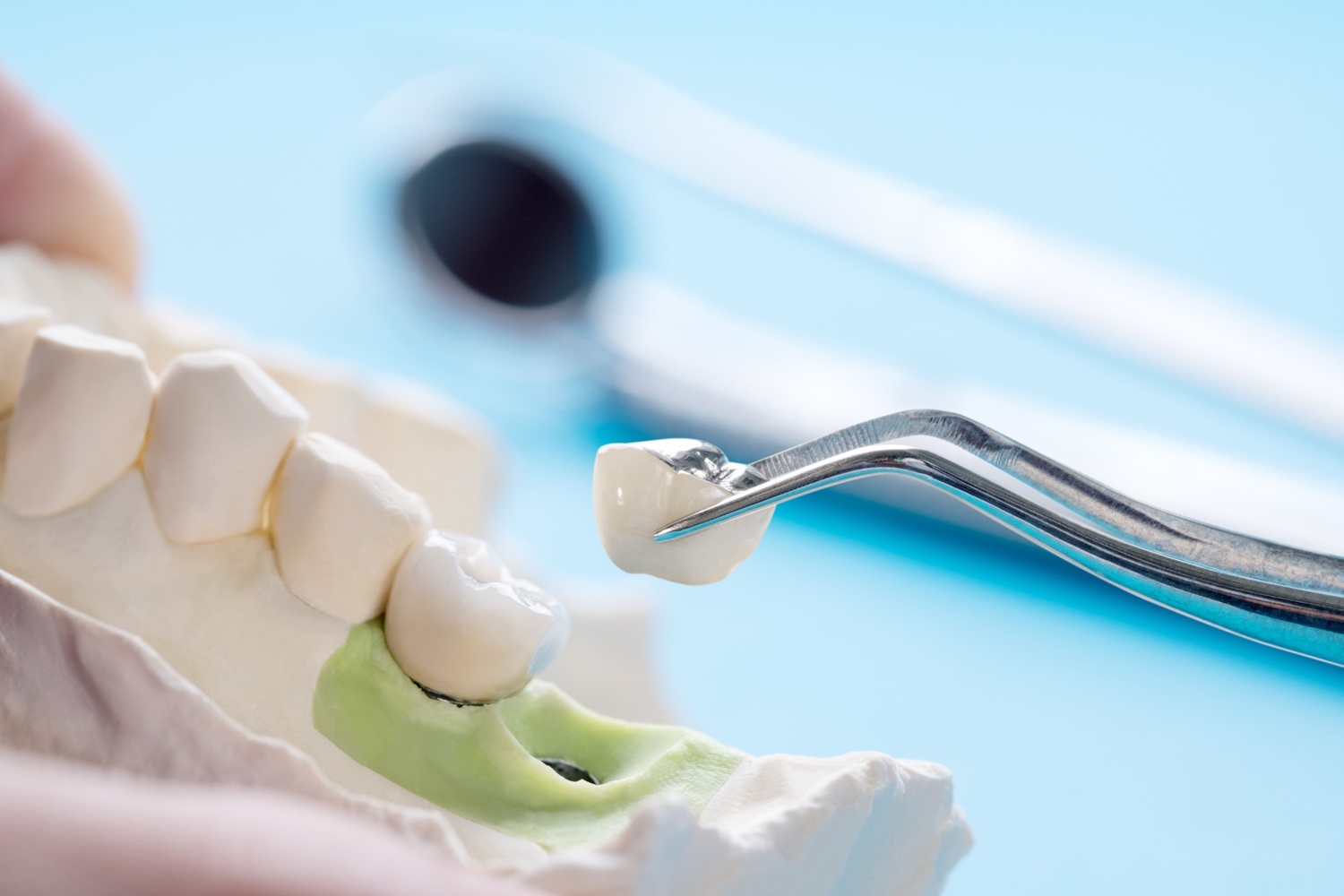
Broken, severely decayed, or structurally compromised teeth need more than simple fillings to restore their function and appearance. At Boe Family Dental, Dr. Eric Boe specializes in creating custom dental crowns that completely cap damaged teeth, providing protection, strength, and natural-looking aesthetics. As an experienced restorative dentist, Dr. Boe finds particular satisfaction in helping patients who are experiencing pain or discomfort from damaged teeth, using advanced techniques to rebuild tooth structure and deliver crowns designed to last for many years.
A dental crown covers the entire visible portion of a tooth above the gumline, essentially becoming the tooth’s new outer surface. This complete coverage protects weakened tooth structure from further damage while restoring the tooth’s original size, shape, and function. Crowns can address a wide range of dental problems, from large cavities and fractures to root canal-treated teeth that need reinforcement. They also play important roles in cosmetic dentistry, covering severely discolored or misshapen teeth when other treatments would be insufficient.
Modern dental crowns are crafted from materials that closely mimic natural tooth enamel in both appearance and strength. Dr. Boe uses digital x-rays and his CBCT scanner when needed to thoroughly evaluate tooth structure before recommending crown treatment. This advanced diagnostic approach ensures he has complete information about the extent of damage and can plan the most effective restoration. The result is a crown that not only looks great but also provides reliable, long-lasting protection for your damaged tooth.
CROWN MATERIALS
Choosing the Right
Material
Porcelain and ceramic crowns offer the most natural appearance, making them ideal for front teeth and other visible areas. These materials can be precisely color-matched to your surrounding teeth and have translucent properties similar to natural enamel. They resist staining and provide excellent aesthetics that last for years. While porcelain crowns are strong enough for most situations, they work best in areas where extreme chewing forces are not concentrated on a single tooth.
Porcelain-fused-to-metal crowns combine the strength of metal with the natural appearance of porcelain. A metal substructure provides durability while a porcelain exterior creates an aesthetic outer surface. These crowns work well for back teeth that must withstand significant chewing pressure while still maintaining a tooth-colored appearance. The metal framework offers exceptional strength and longevity, though a thin dark line may be visible at the gumline in some cases.
THE CROWN PROCEDURE
What to Expect
Tooth
Preparation
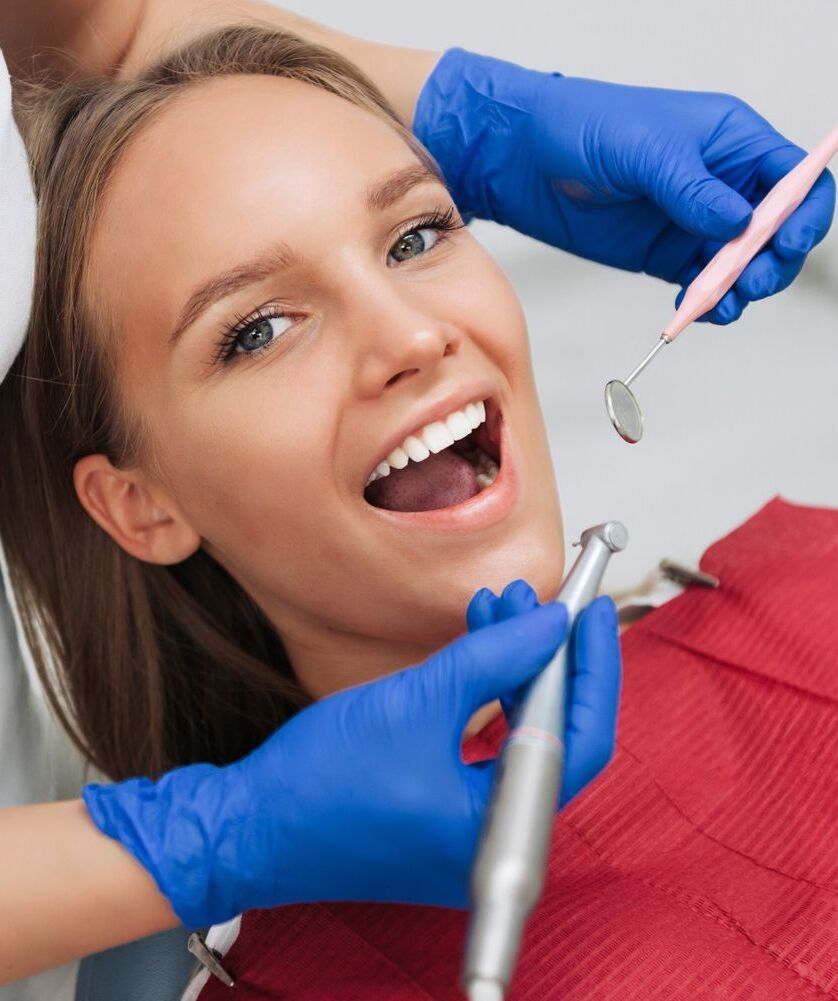
Dr. Boe begins by numbing the tooth and surrounding area to ensure your complete comfort throughout the procedure. He then carefully reshapes the tooth by removing damaged structure and creating space for the crown. The amount of tooth structure removed depends on the crown material being used and the extent of existing damage. After preparation, Dr. Boe takes precise impressions of your prepared tooth and surrounding teeth. These impressions serve as exact models for creating your custom crown. A temporary crown protects your tooth while your permanent restoration is being made.
Custom Crown Creation
Your impressions are sent to a skilled dental laboratory where technicians craft your crown according to Dr. Boe’s specifications. This process typically takes two to three weeks. The laboratory carefully creates a restoration that matches your natural teeth in color, shape, and size while ensuring proper fit and bite alignment. Throughout this period, your temporary crown maintains tooth function and appearance, allowing you to eat and speak normally. The temporary crown also keeps surrounding teeth from shifting, which could affect how your permanent crown fits.
Crown
Placement
At your second appointment, Dr. Boe removes your temporary crown and thoroughly cleans the prepared tooth. He carefully positions your new permanent crown, checking the fit, bite, and appearance. Adjustments are made as needed to ensure optimal comfort and function. Once everything is perfect, Dr. Boe permanently cements the crown in place. He provides detailed instructions on caring for your new crown and what to expect as you adjust to your restoration. Most patients find their permanent crowns comfortable immediately, though some minor sensitivity may occur initially as you adapt.
WHEN CROWNS ARE NEEDED
Common Reasons for
Crown Treatment
Large cavities that have destroyed too much tooth structure for fillings to be effective often require crown treatment. When decay affects more than half of a tooth’s surface or reaches deep into the tooth, a filling may not provide adequate strength or protection. Crowns completely cover and reinforce the remaining tooth structure, preventing further breakage and restoring full function. This approach allows Dr. Boe to save teeth that might otherwise need extraction.
Cracked or broken teeth benefit significantly from crown placement. Whether damage results from injury, biting hard objects, or simply wear over time, crowns hold the remaining tooth structure together and prevent cracks from worsening. Without crown protection, cracked teeth often split further, potentially requiring extraction. Root canal-treated teeth also need crowns in most cases, as the procedure removes the tooth’s internal blood supply, making the remaining structure more brittle and prone to fracture. The crown protects and strengthens the treated tooth, allowing it to function normally for many years.
Benefits of Dental Crowns
- Restore full function to damaged teeth for comfortable chewing and speaking
- Protect weakened teeth from further damage or fracture
- Improve the appearance of severely discolored, misshapen, or broken teeth
- Provide long-lasting results with proper care, typically lasting 10 to 15 years or more
- Allow you to keep your natural tooth rather than requiring extraction and replacement
CROWN MAINTENANCE
Caring for
Your Crown
Dental crowns require the same basic care as natural teeth. Brush twice daily with fluoride toothpaste, paying attention to the area where your crown meets your gumline. This junction is where plaque and bacteria can accumulate, potentially causing gum disease or decay in the underlying tooth structure. Floss daily around your crown just as you would around natural teeth. Proper oral hygiene prevents problems that could compromise your crown or the tooth beneath it.
While crowns are very durable, they can chip or break if subjected to extreme forces. Avoid chewing ice, hard candy, or other very hard objects. Do not use your teeth as tools to open packages or bite fingernails. If you grind or clench your teeth, discuss this with Dr. Boe. He may recommend a nightguard to protect your crown and other teeth from excessive wear. These simple precautions help ensure your crown provides many years of reliable service.
What You Get With Every Visit to Boe Family Dental
Personalized
Care
Advanced
Technology
Comfortable
Experience
Restore Your Damaged Tooth Today
Frequently Asked Questions
Does getting a crown hurt?
The crown procedure itself is not painful because Dr. Boe numbs the tooth and surrounding area with local anesthetic before beginning any work. You may feel pressure during tooth preparation, but you should not experience pain. After the anesthetic wears off, some sensitivity is normal for a few days, particularly to temperature changes. Over-the-counter pain relievers typically manage any discomfort effectively. Most patients report that getting a crown is no more uncomfortable than receiving a large filling, and the temporary crown protects your tooth between appointments.
How long will my dental crown last?
With proper care, most dental crowns last between 10 and 15 years, though many patients enjoy even longer service life. The longevity of your crown depends on several factors, including the material used, your oral hygiene habits, and forces placed on the tooth. Maintaining excellent oral hygiene, avoiding habits that can damage crowns like chewing ice or grinding teeth, and attending regular dental checkups all contribute to extending your crown’s lifespan. Dr. Boe monitors your crown at each visit and can identify any issues early, helping ensure you get maximum value from your restoration.