
RESTORATIVE DENTISTRY
Dental
Bridges
Replace missing teeth with fixed bridges that restore function, appearance, and confidence
COMPLETE YOUR SMILE
Bridging the
Gap in
Your Smile
Missing teeth create more than just aesthetic concerns. Gaps in your smile can affect your ability to chew properly, alter your speech, and cause remaining teeth to shift out of position over time. At Boe Family Dental, Dr. Eric Boe offers dental bridges as an effective solution for replacing one or more missing teeth. These fixed restorations fill the space left by missing teeth, restoring both function and appearance while preventing the complications associated with tooth loss.
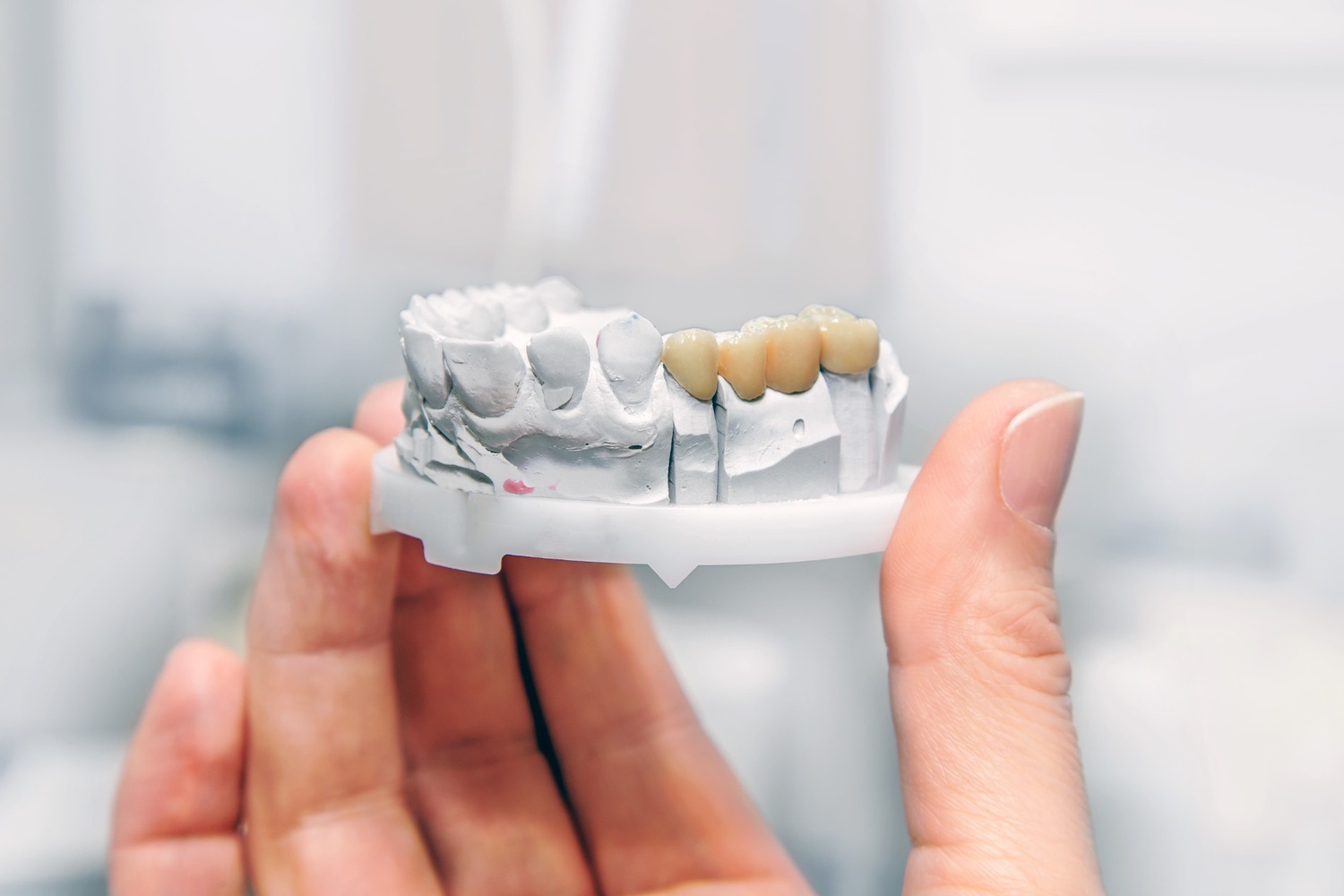
A dental bridge consists of one or more artificial teeth, called pontics, supported by dental crowns attached to the natural teeth on either side of the gap. This creates a permanent, stable restoration that becomes part of your smile. Unlike removable partial dentures, bridges remain fixed in place and function just like natural teeth. You can eat, speak, and smile confidently without worrying about your restoration moving or slipping.
Modern dental bridges are crafted from high-quality materials that closely mimic the appearance of natural teeth. Dr. Boe works with skilled dental laboratories to create custom bridges that match the color, shape, and size of your existing teeth. The result is a natural-looking restoration that blends seamlessly with your smile. Most people won’t be able to tell you have a dental bridge unless you choose to tell them.

TYPES OF BRIDGES
Finding the Right
Solution
Traditional bridges are the most common type, using dental crowns on the teeth adjacent to the gap to support the artificial tooth or teeth. This approach works well when you have healthy natural teeth on both sides of the missing tooth. The supporting teeth are prepared by removing some enamel to accommodate the crowns, which are then permanently cemented in place along with the pontic connecting them.
Cantilever bridges attach to just one adjacent tooth rather than two. This type of bridge may be used when there’s only one natural tooth next to the gap, though it’s less common because it places more stress on the single supporting tooth. Maryland bridges, also called resin-bonded bridges, use a metal or porcelain framework bonded to the back of adjacent teeth with minimal tooth preparation required. This conservative option works best for replacing front teeth where chewing forces are lighter.
THE BRIDGE PROCESS
What to Expect
Initial Preparation
Your first appointment involves preparing the supporting teeth for crowns. Dr. Boe numbs the area to ensure your comfort, then carefully reshapes these teeth by removing a small amount of enamel. This creates space for the crowns that will support your bridge. After preparation, he takes detailed impressions of your teeth, which serve as models for creating your custom bridge. A temporary bridge protects your prepared teeth and maintains function and appearance while your permanent bridge is being crafted.
Bridge Fabrication
Your impressions are sent to a dental laboratory where skilled technicians create your custom bridge. This process typically takes two to three weeks. The laboratory carefully crafts your restoration to match the color, shape, and size specifications provided by Dr. Boe. They pay close attention to details like tooth contours and bite alignment to ensure your bridge looks natural and functions properly. Throughout this time, your temporary bridge protects your teeth and allows you to maintain normal eating and speaking habits.
Final Placement
At your second appointment, Dr. Boe removes your temporary bridge and carefully positions the permanent bridge. He checks the fit, color match, and bite alignment, making any necessary adjustments to ensure optimal comfort and function. Once you and Dr. Boe are satisfied with how the bridge looks and feels, he permanently cements it in place. After placement, he provides instructions on caring for your new bridge and schedules follow-up appointments to monitor how well you’re adapting to your restoration.
BENEFITS OF BRIDGES
Restore Your
Complete Smile
Dental bridges offer numerous advantages for patients with missing teeth. They restore your ability to chew effectively, allowing you to enjoy a full range of foods without difficulty or discomfort. Proper chewing function also supports better digestion and nutrition. Bridges fill gaps that can affect speech clarity, helping you speak more naturally and confidently. The restoration prevents remaining teeth from drifting into empty spaces, which can cause bite problems, increased tooth wear, and jaw joint issues.
From an aesthetic perspective, bridges complete your smile and restore facial contours that may have changed due to tooth loss. Missing teeth can cause the face to appear sunken or aged, while properly placed bridges maintain facial structure and create a more youthful appearance. The psychological benefits are equally significant. Many patients report increased confidence and improved quality of life after replacing missing teeth with dental bridges. You can smile, laugh, and interact with others without feeling self-conscious about gaps in your teeth.
Signs You May Need a Dental Bridge
- You are missing one or more teeth and want a fixed replacement option
- You have difficulty chewing or notice changes in your bite due to missing teeth
- Your remaining teeth are shifting or becoming misaligned in areas near gaps
- You feel self-conscious about the appearance of your smile due to missing teeth
- You want a permanent tooth replacement solution that does not require removal for cleaning
BRIDGE MAINTENANCE
Caring for
Your Bridge
Proper care ensures your dental bridge remains functional and attractive for many years. Brush your teeth twice daily, paying special attention to the areas where your bridge meets your natural teeth and gums. Food particles and plaque can accumulate in these areas, potentially leading to decay or gum disease if not removed regularly. Use a soft-bristled toothbrush and fluoride toothpaste, and consider using an electric toothbrush for more thorough cleaning.
Flossing under and around your bridge is essential for maintaining healthy gums and preventing problems with supporting teeth. Special floss threaders or interdental brushes help you clean beneath the pontic where regular floss cannot reach. Your dental hygienist can demonstrate proper techniques during your cleaning appointments. Some patients find water flossers particularly helpful for cleaning around bridges, as the pulsating water stream effectively removes debris from hard-to-reach areas.

What You Get With Every Visit to Boe Family Dental
Personalized
Care
Advanced
Technology
Comfortable
Experience
Restore Your Smile With a Dental Bridge
Frequently Asked Questions
How long does it take to get a dental bridge?
The dental bridge process typically requires two appointments over two to three weeks. During your first visit, Dr. Boe prepares your teeth, takes impressions, and places a temporary bridge. Your permanent bridge is then custom-made in a dental laboratory, which usually takes about two weeks. At your second appointment, Dr. Boe removes the temporary bridge and permanently places your custom restoration. Some adjustments may be needed to ensure optimal fit and comfort, but most patients leave with their permanent bridge in place.
Will my dental bridge look natural?
Yes, modern dental bridges are designed to look remarkably natural. Dr. Boe carefully selects materials and shades that match your existing teeth in color, translucency, and appearance. The dental laboratory crafts your bridge with attention to details like tooth shape, size, and surface texture. Most people will not be able to distinguish your bridge from your natural teeth. The bridge is also designed to fit comfortably and function naturally, allowing you to eat, speak, and smile with confidence and without anyone noticing you have a restoration.