
PROACTIVE CARE
Preventive
Dentistry
Protect your oral health with comprehensive preventive care designed to keep problems from developing
THE FOUNDATION OF ORAL HEALTH
Prevention Is
the Best
Medicine
Preventive dentistry focuses on maintaining optimal oral health and catching potential problems before they become serious, painful, or expensive to treat. At Boe Family Dental, Dr. Eric Boe emphasizes the importance of proactive care through regular dental visits, professional cleanings, comprehensive examinations, and patient education. This preventive approach helps you avoid cavities, gum disease, tooth loss, and other oral health complications while maintaining a beautiful, healthy smile throughout your life.
The benefits of preventive dentistry extend far beyond your mouth. Research has established clear connections between oral health and overall wellness, with gum disease linked to heart disease, diabetes complications, respiratory infections, and other systemic health conditions. By maintaining excellent oral health through preventive care, you support your body’s overall health and reduce your risk of developing various medical problems. Dr. Boe views preventive dentistry as an investment in your total well-being, not just your teeth and gums.
Preventive care also makes financial sense. Regular cleanings and checkups cost far less than treating advanced dental problems that could have been prevented. Early detection of small cavities means simple fillings instead of root canals or crowns. Preventing gum disease eliminates the need for costly periodontal treatments. By committing to consistent preventive care, you protect both your oral health and your budget while enjoying the confidence that comes with a healthy, attractive smile.
COMPREHENSIVE PREVENTIVE SERVICES
Protecting Your
Smile
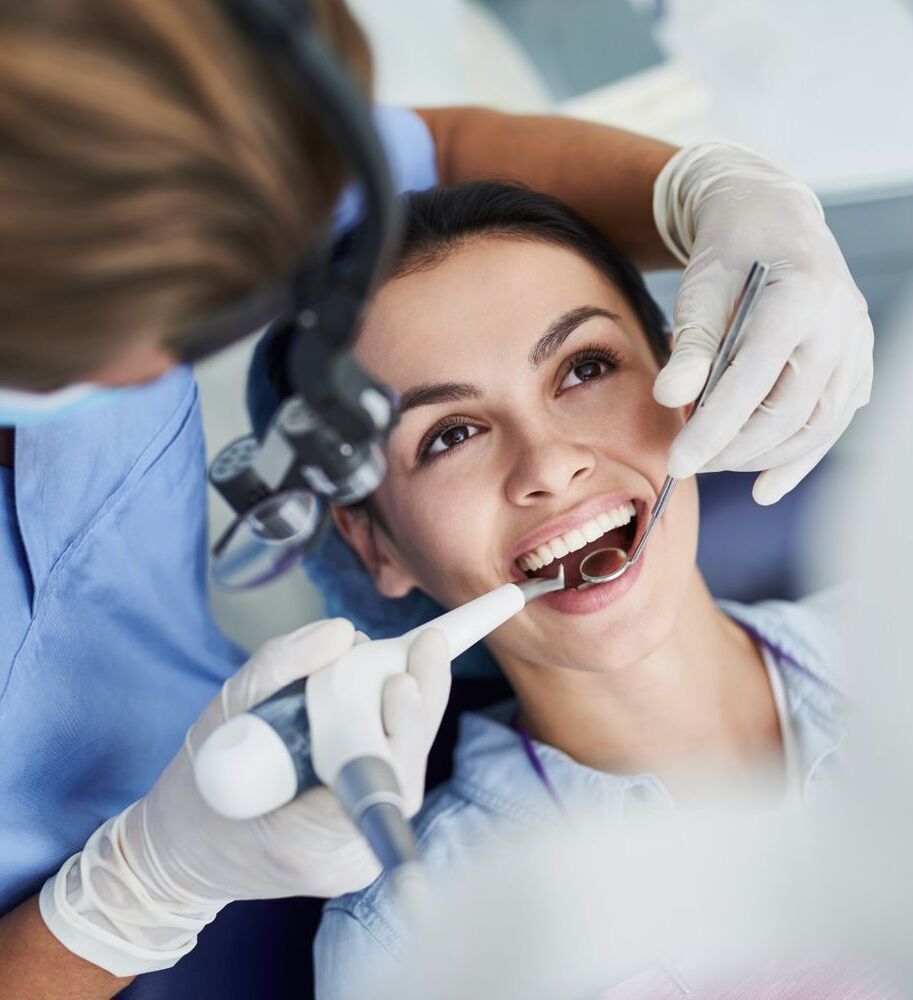
Professional dental cleanings remove plaque and tartar deposits that accumulate despite regular brushing and flossing at home. Our experienced dental hygienists use specialized tools to clean areas you cannot reach on your own, including below the gumline where bacteria hide and cause gum disease. Regular cleanings every six months keep your teeth and gums healthy while providing an opportunity to assess your oral hygiene effectiveness and offer guidance for improvement. Most patients find cleanings comfortable and leave feeling refreshed with noticeably cleaner teeth.
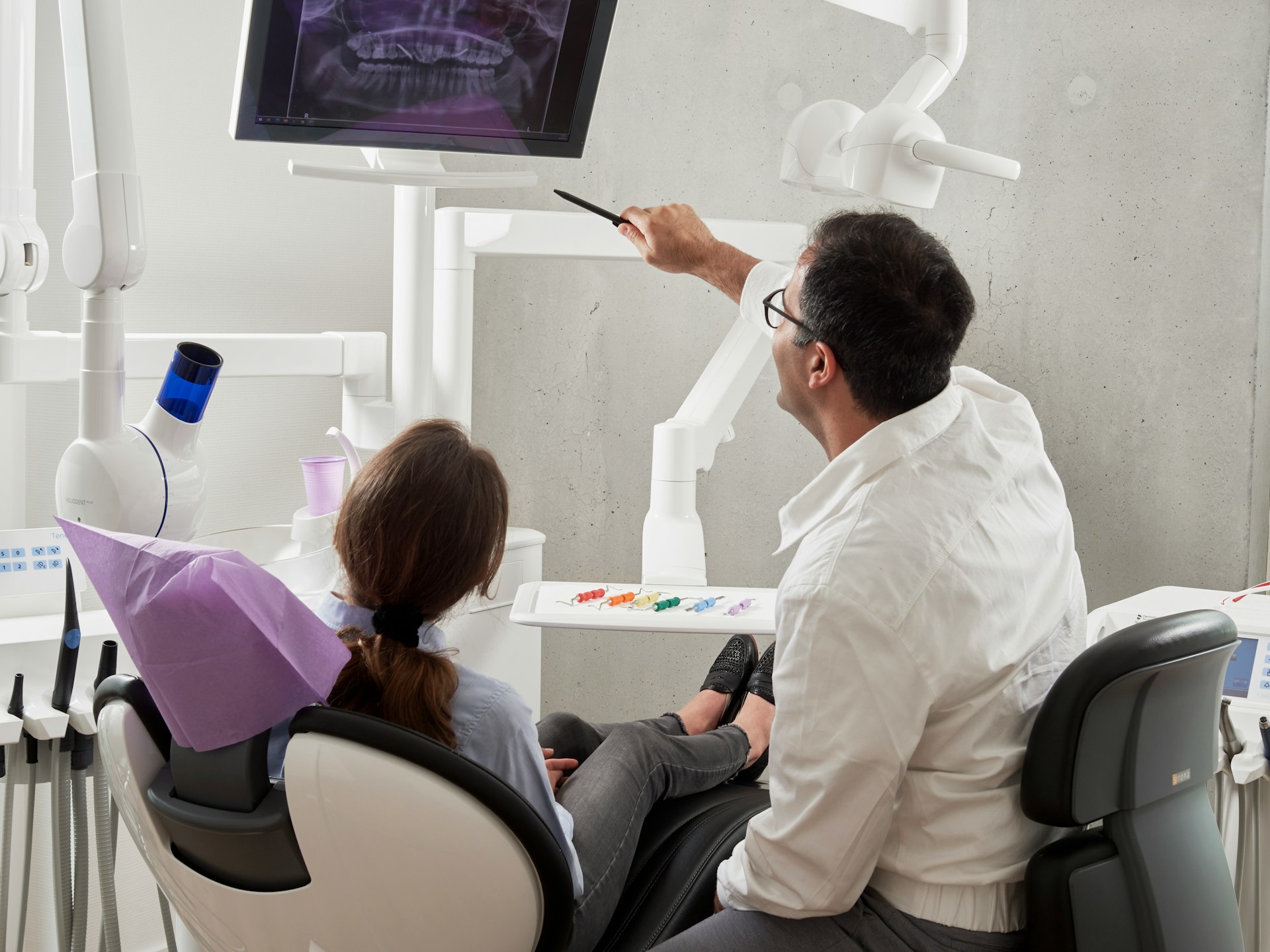
Comprehensive dental examinations allow Dr. Boe to thoroughly evaluate your oral health and identify any developing problems. Using digital x-rays and visual inspection, he checks for cavities, examines existing dental work, evaluates gum health, and performs oral cancer screenings. The CBCT scanner provides three-dimensional imaging when needed for more detailed evaluation. These examinations catch problems in their earliest stages when treatment is simplest, least invasive, and most affordable. Regular exams give Dr. Boe the opportunity to monitor changes over time and address concerns before they become serious.
YOUR PREVENTIVE CARE ROUTINE
What to Expect
Professional
Cleaning
Your preventive visit begins with a thorough professional cleaning performed by one of our skilled dental hygienists. They carefully remove plaque and tartar from all tooth surfaces, paying special attention to areas along and below the gumline where bacteria accumulate. After removing deposits, they polish your teeth to eliminate surface stains and create smooth surfaces that resist future buildup. The cleaning concludes with flossing to remove any remaining debris between teeth. Most cleanings take 45 to 60 minutes and leave your mouth feeling fresh and clean.
Detailed
Examination
Following your cleaning, Dr. Boe performs a comprehensive examination of your teeth, gums, and entire oral cavity. He checks each tooth for signs of decay or damage, evaluates the condition of existing fillings and other dental work, and measures gum pocket depths to assess periodontal health. Digital x-rays taken during your visit provide detailed images of tooth structure, bone levels, and other areas not visible to the naked eye. Dr. Boe also performs an oral cancer screening and evaluates your bite and jaw function to ensure optimal oral health.
Personalized Recommendations
After completing your examination, Dr. Boe discusses his findings with you in detail. He explains any issues discovered and recommends appropriate treatments when necessary. If your oral health is excellent, he provides guidance on maintaining your current status and schedules your next preventive visit. Dr. Boe also offers personalized advice on improving your home care routine, selecting appropriate oral hygiene products, and making dietary choices that support dental health. This educational component ensures you have the knowledge and tools needed to maintain optimal oral health between visits.
HOME CARE ESSENTIALS
Your Role in
Prevention
Professional dental care provides an important foundation for oral health, but your daily home care routine plays an equally critical role in preventing dental problems. Brush your teeth at least twice daily using fluoride toothpaste and a soft-bristled toothbrush. Spend two minutes brushing, making sure to clean all tooth surfaces including along the gumline where plaque accumulates. Replace your toothbrush every three to four months or sooner if bristles become frayed. Electric toothbrushes often provide more thorough cleaning than manual brushes and may be particularly beneficial for patients with limited dexterity.
Daily flossing removes plaque and food particles from between teeth where your toothbrush cannot reach. Use about 18 inches of floss, winding most around your middle fingers and leaving a few inches to work with. Gently guide the floss between teeth using a rubbing motion, curve it around each tooth, and slide it beneath the gumline. Be thorough but gentle to avoid damaging gum tissue. If traditional floss proves difficult, consider floss holders, interdental brushes, or water flossers as alternatives. The key is finding a method you will use consistently every day.
Key Components of Preventive Care
- Professional dental cleanings every six months to remove plaque and tartar buildup
- Comprehensive examinations to detect problems early when treatment is simplest
- Regular x-rays to identify issues not visible during visual examination
- Thorough home care including proper brushing and daily flossing
- Healthy dietary choices that limit sugar and support strong teeth and gums
LIFESTYLE FACTORS
Supporting Oral
Health Daily
Your diet significantly impacts your oral health. Bacteria in your mouth feed on sugars and starches, producing acids that attack tooth enamel and lead to cavities. Limit consumption of sugary foods and beverages, particularly between meals when saliva production is lower and teeth are more vulnerable to acid attacks. When you do consume sugary items, brush your teeth afterward or at least rinse your mouth with water. Choose tooth-friendly snacks like cheese, nuts, vegetables, and sugar-free gum, which can actually help clean teeth and stimulate saliva production.
Tobacco use in any form severely damages oral health, increasing risks for gum disease, tooth loss, oral cancer, and other serious problems. Smoking and chewing tobacco stain teeth, cause bad breath, and interfere with healing after dental procedures. If you use tobacco products, quitting offers one of the most significant improvements you can make for your oral and overall health. Dr. Boe can provide resources and support to help you quit, and he will monitor your oral health closely if you continue using tobacco to catch any problems as early as possible.

What You Get With Every Visit to Boe Family Dental
Personalized
Care
Advanced
Technology
Comfortable
Experience
Schedule Your Preventive Care Visit
Frequently Asked Questions
How often should I visit the dentist for preventive care?
Most patients should visit the dentist every six months for professional cleanings and comprehensive examinations. This schedule allows Dr. Boe to monitor your oral health consistently and catch any developing problems early. However, some patients may need more frequent visits based on their individual circumstances. If you have a history of gum disease, tend to develop cavities easily, or have other risk factors, Dr. Boe might recommend cleanings every three to four months. Conversely, patients with excellent oral health may maintain good results with annual visits, though twice yearly remains the standard recommendation for most people.
Does dental insurance cover preventive care?
Most dental insurance plans provide excellent coverage for preventive services, typically covering cleanings, examinations, and x-rays at 100% with no out-of-pocket cost to you. Insurance companies recognize that preventive care saves money by helping patients avoid more expensive treatments for advanced dental problems. We accept most PPO insurance plans and will verify your benefits and file claims on your behalf. Even if you do not have dental insurance, preventive care remains an excellent investment in your oral health and overall well-being, costing far less than treating problems that could have been prevented.